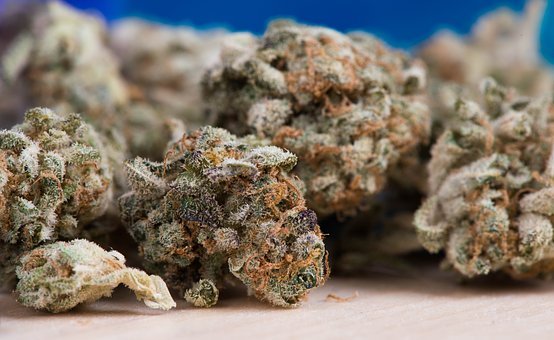


Medical Cannabis for Neuropathic Pain
Many cultures throughout history have used cannabis to treat a variety of painful ailments. Neuropathic pain is a complicated condition that is challenging to treat with our current medications. Recent scientific discovery has elucidated the intricate role of the endocannabinoid system in the pathophysiology of neuropathic pain. As societal perceptions change, and legislation on medical cannabis relaxes, there is growing interest in the use of medical cannabis for neuropathic pain. The results suggest medical cannabis may be as tolerable and effective as current neuropathic agents; however, more studies are needed to determine the long-term effects of medical cannabis use. Furthermore, continued research to optimize dosing, cannabinoid ratios, and alternate routes of administration may help to refine the therapeutic role of medical cannabis for neuropathic pain.